

Ubu Chair Rezign
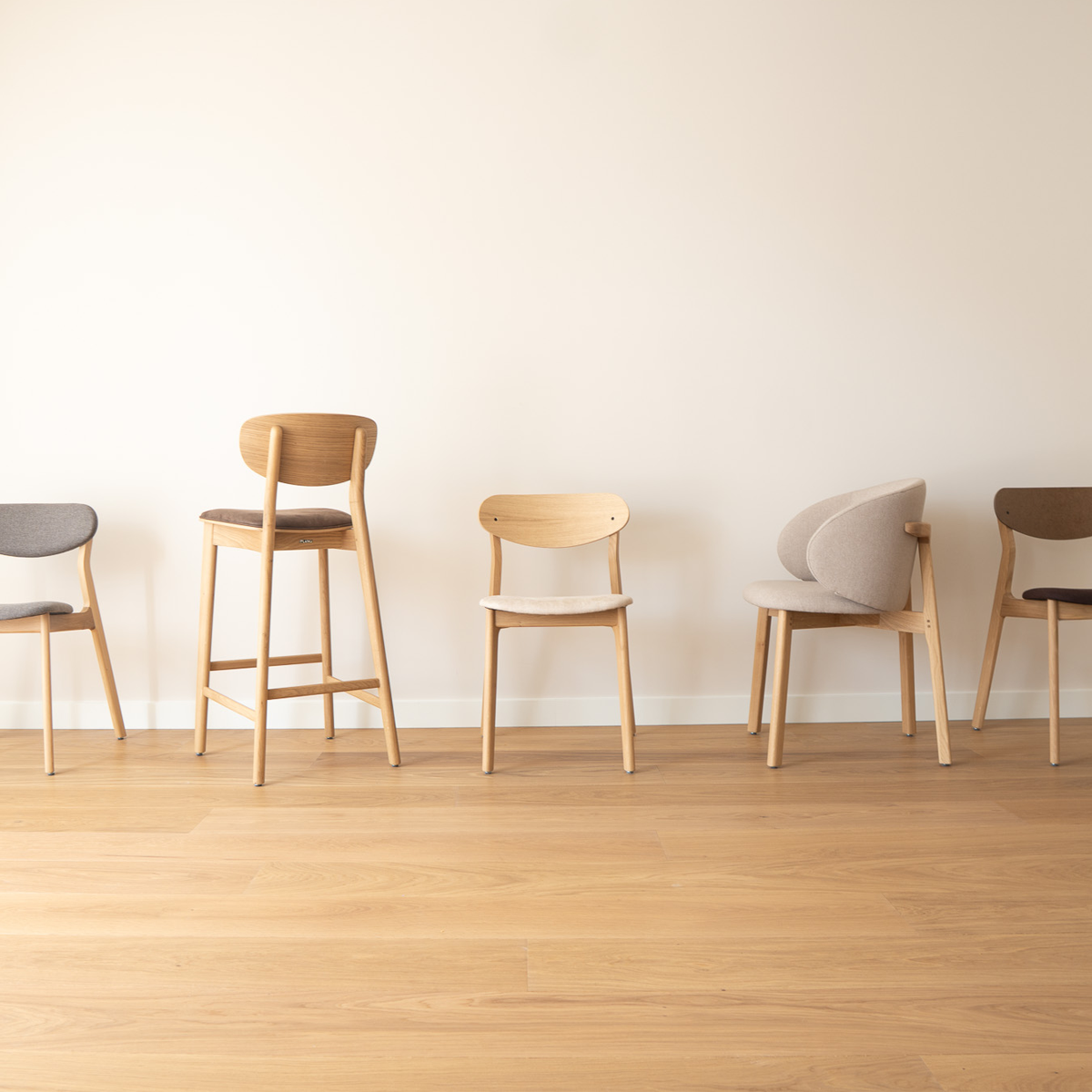
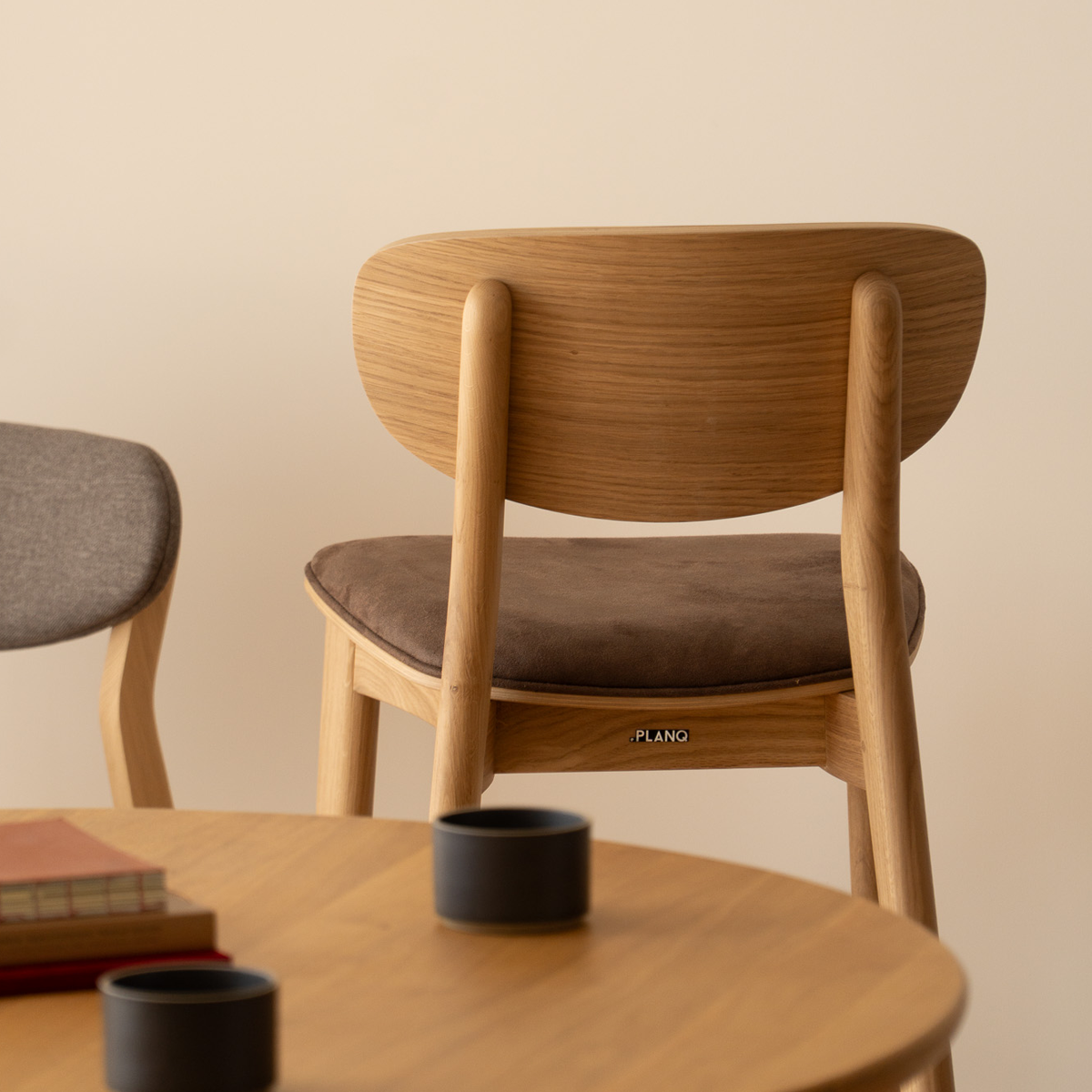
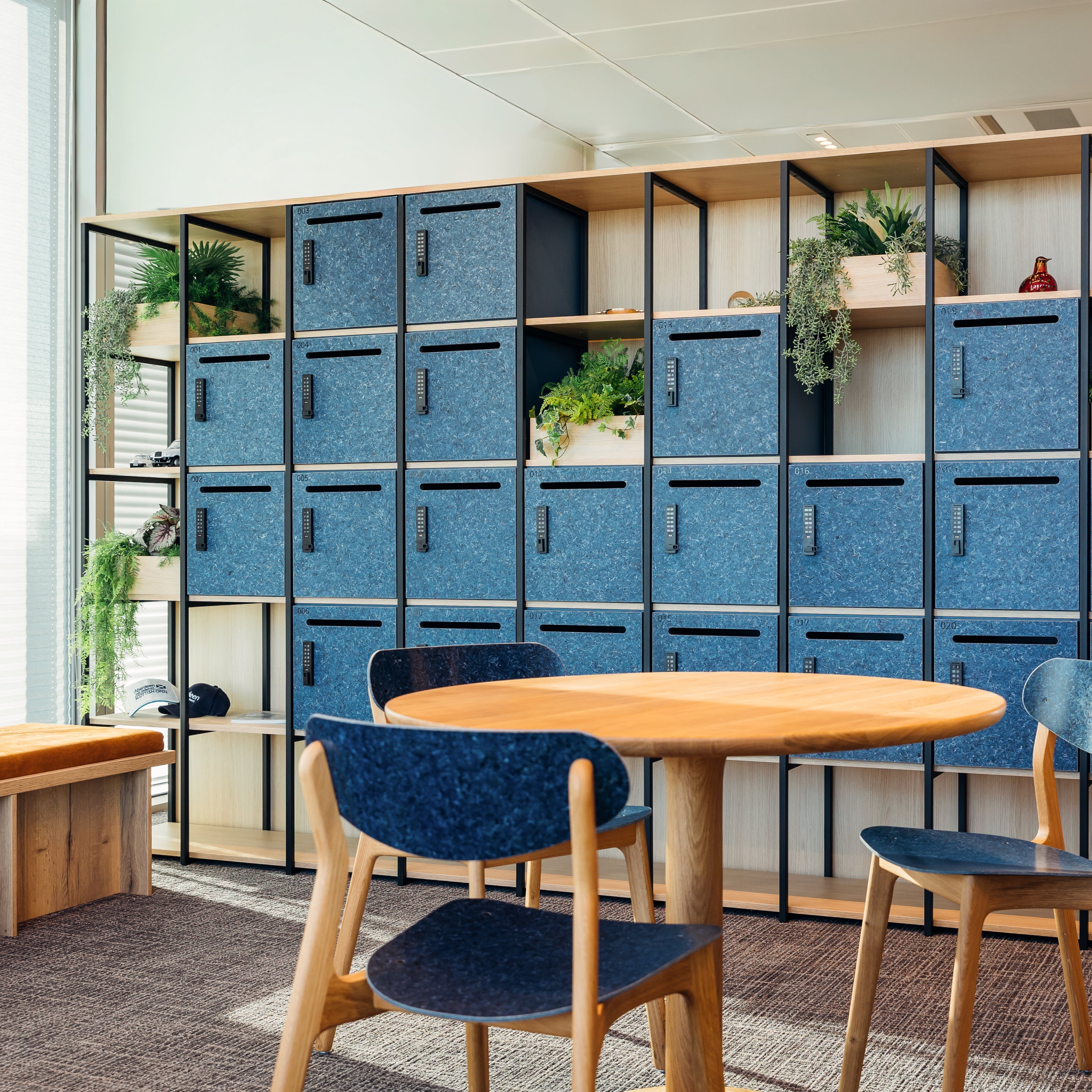
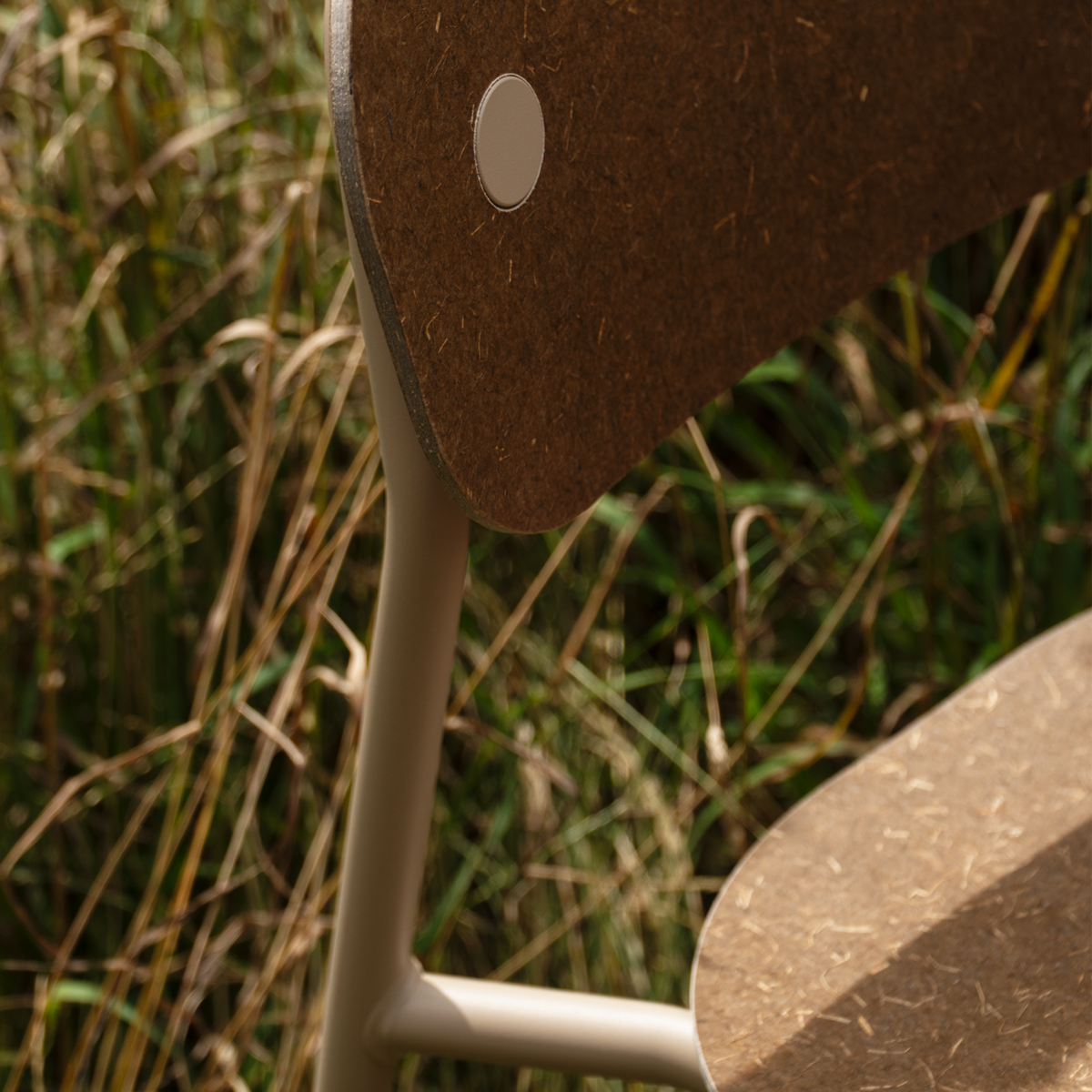
The Ubu Chair’s name is derived from the South African Ubuntu, which stands for humanity, sharing, and sustainability. This Scandinavian-inspired chair stands out by its solid, curved wood, and high-quality connections. The seat and back are made of Rezign® Veneer. This is a material made of textile waste combined with a biodegradable binder, which is compressed into a solid seat. The frame is available in FSC® certified solid oak and walnut wood.
2018 | Anton Teeuw
We hold ourselves and our partners to the highest standards of social and environmental responsibility. Our Code of Conduct ensures that every stage of our supply chain meets or exceeds national laws, international regulations, and industry best practices.
The Ubu Chair is crafted from recycled textiles, bonded with a bio-based binder. The frame is made from solid wood, sustainably sourced in Portugal.


Technical specifications
Seat & Back: Solid 3D formed Rezign seating, based on recycled textile or natural fibres and bioplastics.
Frame: Solid wood
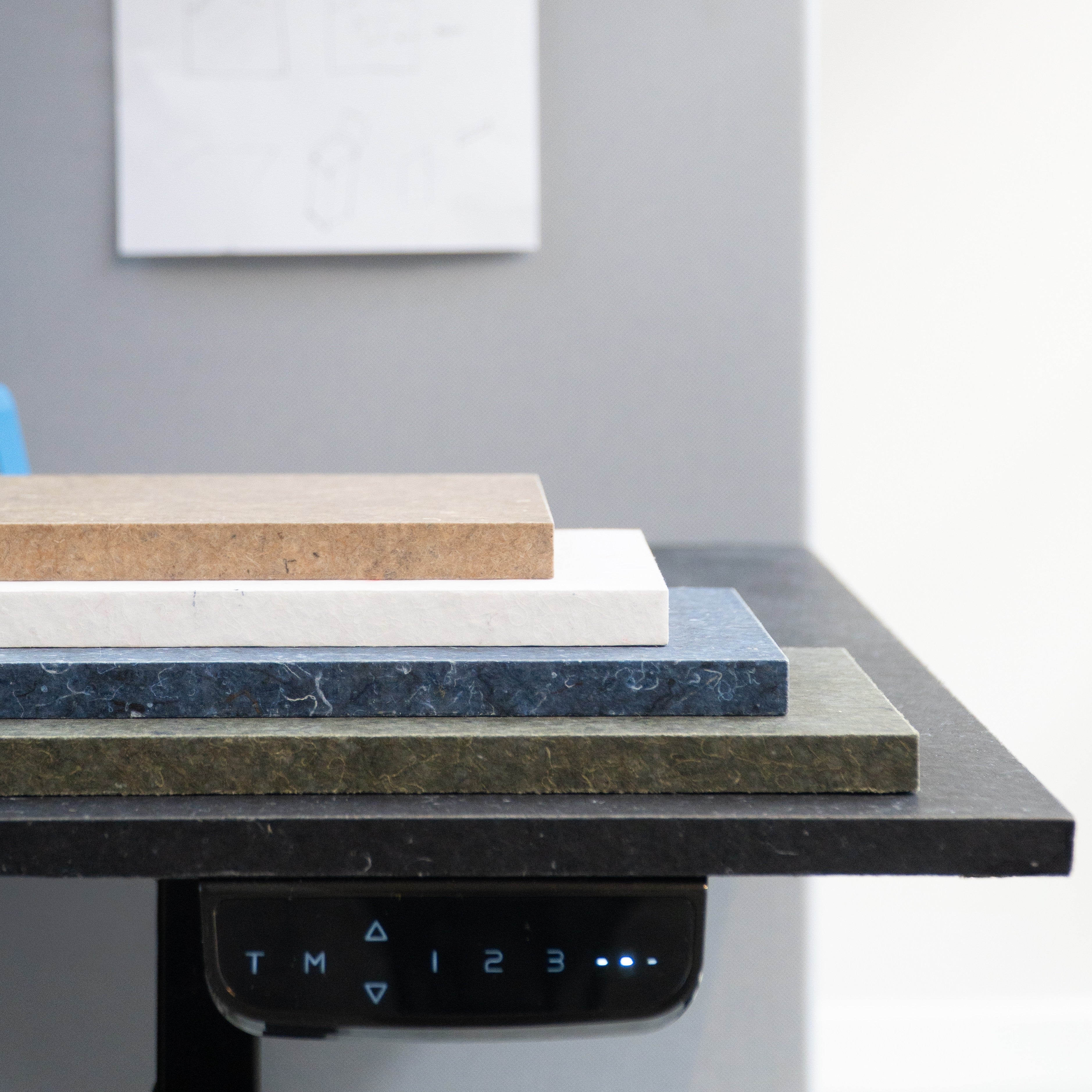
 Rezign Denim
 Rezign Army
 Rezign Flax
 Rezign Suits
 Ash
Ash
 Oak
Oak
 Walnut stained ash wood
 Walnut
Standard felt
Weight: 3,5 kg
Height: 77,5 cm
Width: 38 cm
10-12 weeks
The Ubu Chair is stackable up to 4 pieces.
The chair shells are made of recycled material. Different batches may have different outcomes in the colour blend.

Textile Waste Impact
1KG Textile
wasted
1KG Textile
processed into XY60 chair
Incineration of 1 kg of mixed cotton–polyester textile releases approximately 25–75 grams of non-CO₂ air pollutants, including carbon monoxide, nitrogen oxides, sulphur dioxide, volatile organic compounds, particulate matter, and trace toxic compounds. The associated CO₂ emissions depend on the fibre composition, ranging from approximately 1.63 kg CO₂ per kg textile for 100% cotton to 2.29 kg CO₂ per kg textile for 100% polyester.
End of life
Re-use, Re-pair, Re-cycle
For every piece of furniture we sell, we take our responsibility. We offer a repair service, can supply spare parts where neccesary and are happy to offer support with the re-use or re-cycle process. Any questions? Just reach out to our team!


Local production
Click a country to highlight and read its origin. Use the selector to jump.