

Rebel Stool Rezign
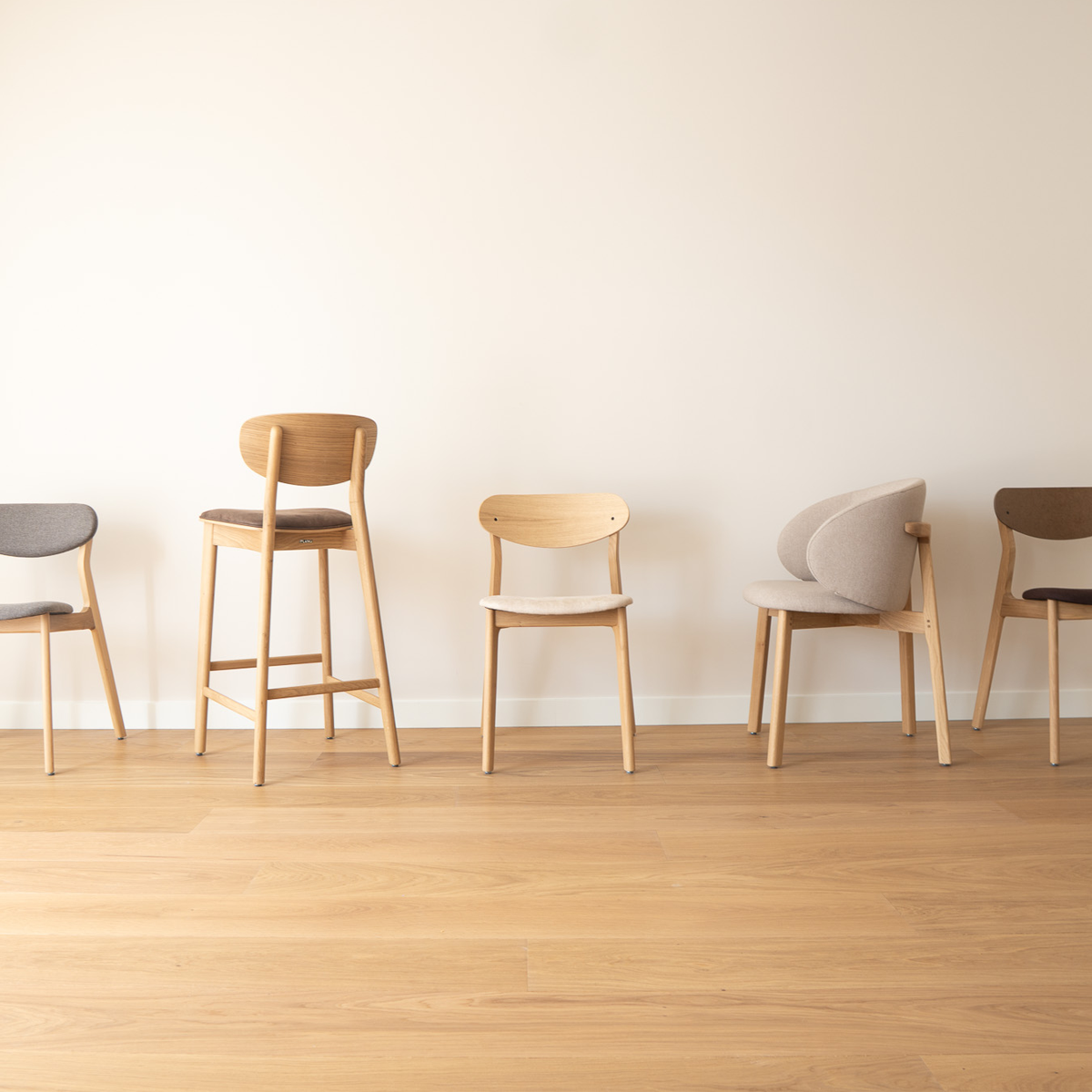
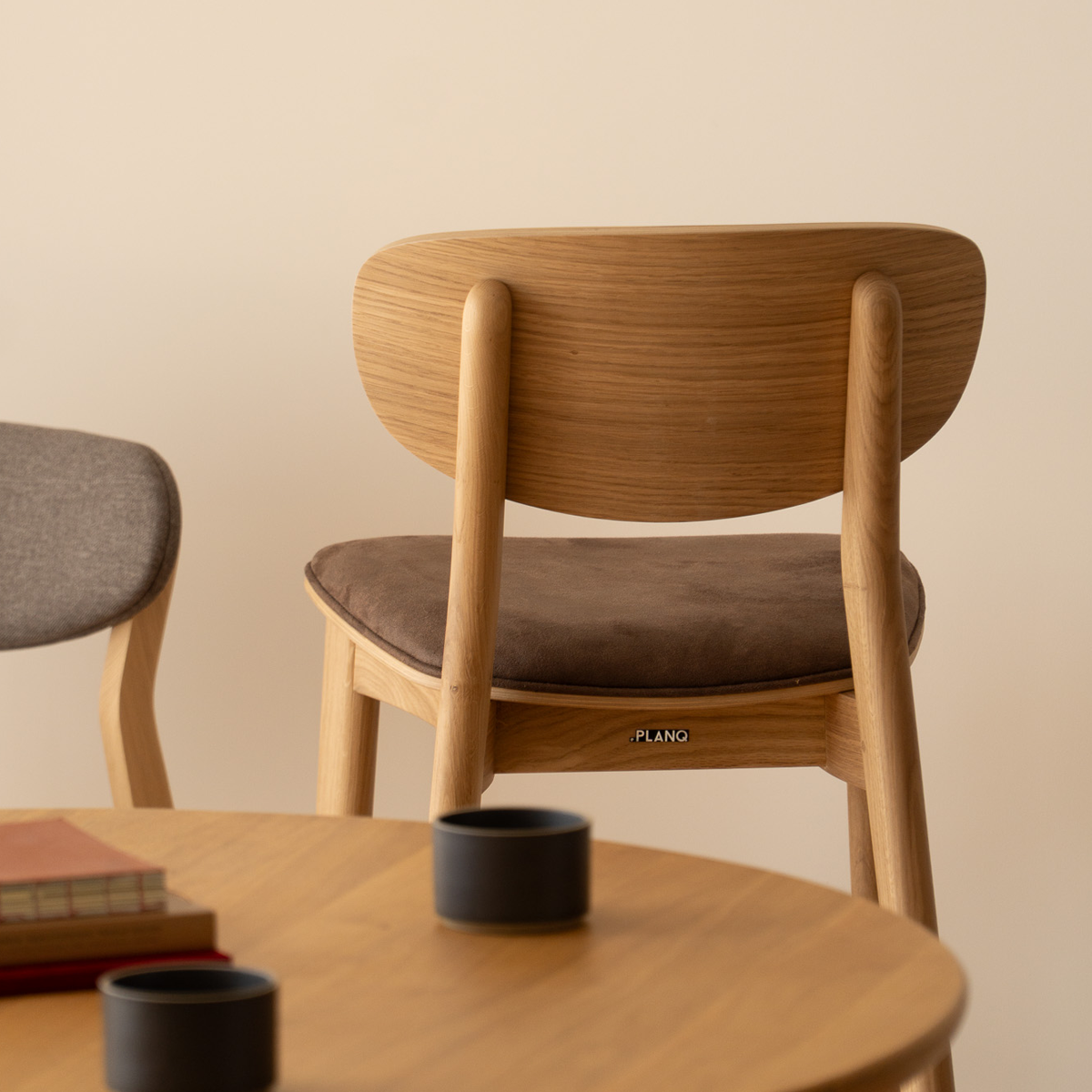
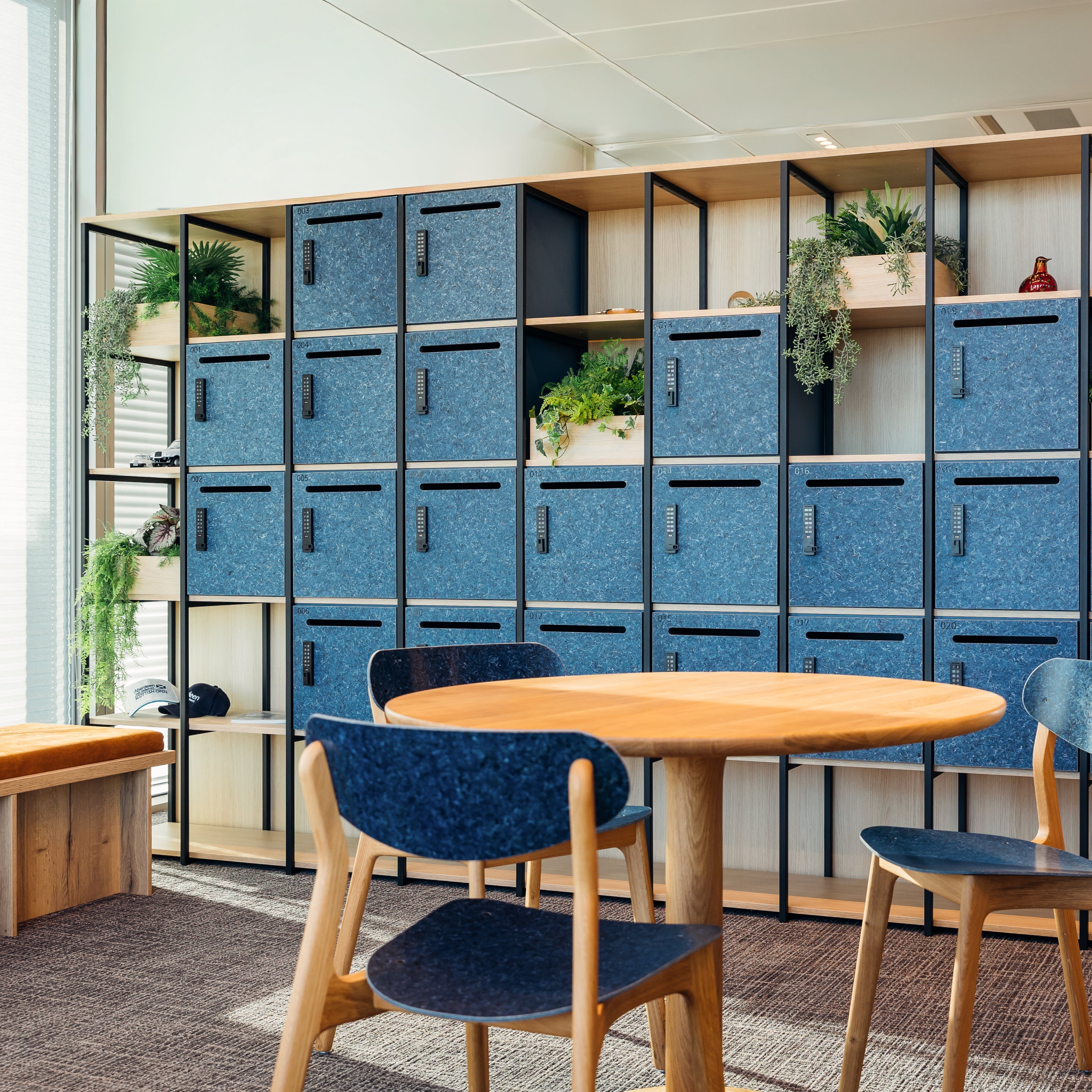
The Rebel barstool is made with sustainable materials and has many options. You can choose from either full Rezign, half upholstered or fully upholstered. The steel frame can be combined with seating made of our sustainable Rezign® material or choose from a wide range of recycled upholsteries. The frames can be customized in one of our standard RAL colours or a custom colour on request.
2018 | Anton Teeuw
We hold ourselves and our partners to the highest standards of social and environmental responsibility. Our Code of Conduct ensures that every stage of our supply chain meets or exceeds national laws, international regulations, and industry best practices.
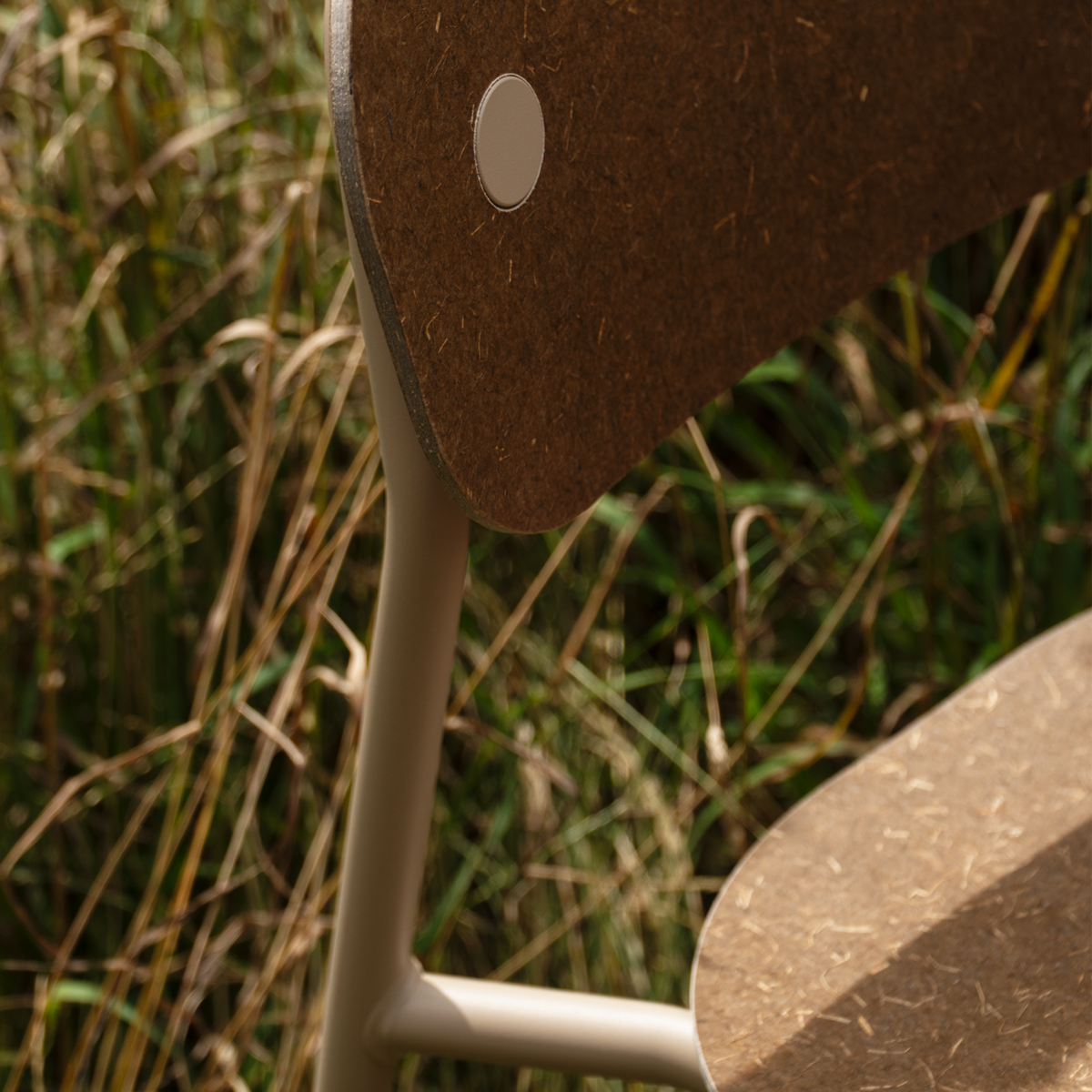
The Rebel Collection is crafted from recycled textiles, bonded with a bio-based binder. The frame is made from recycled steel and finished with a durable powder coating for added longevity.


Technical specifications
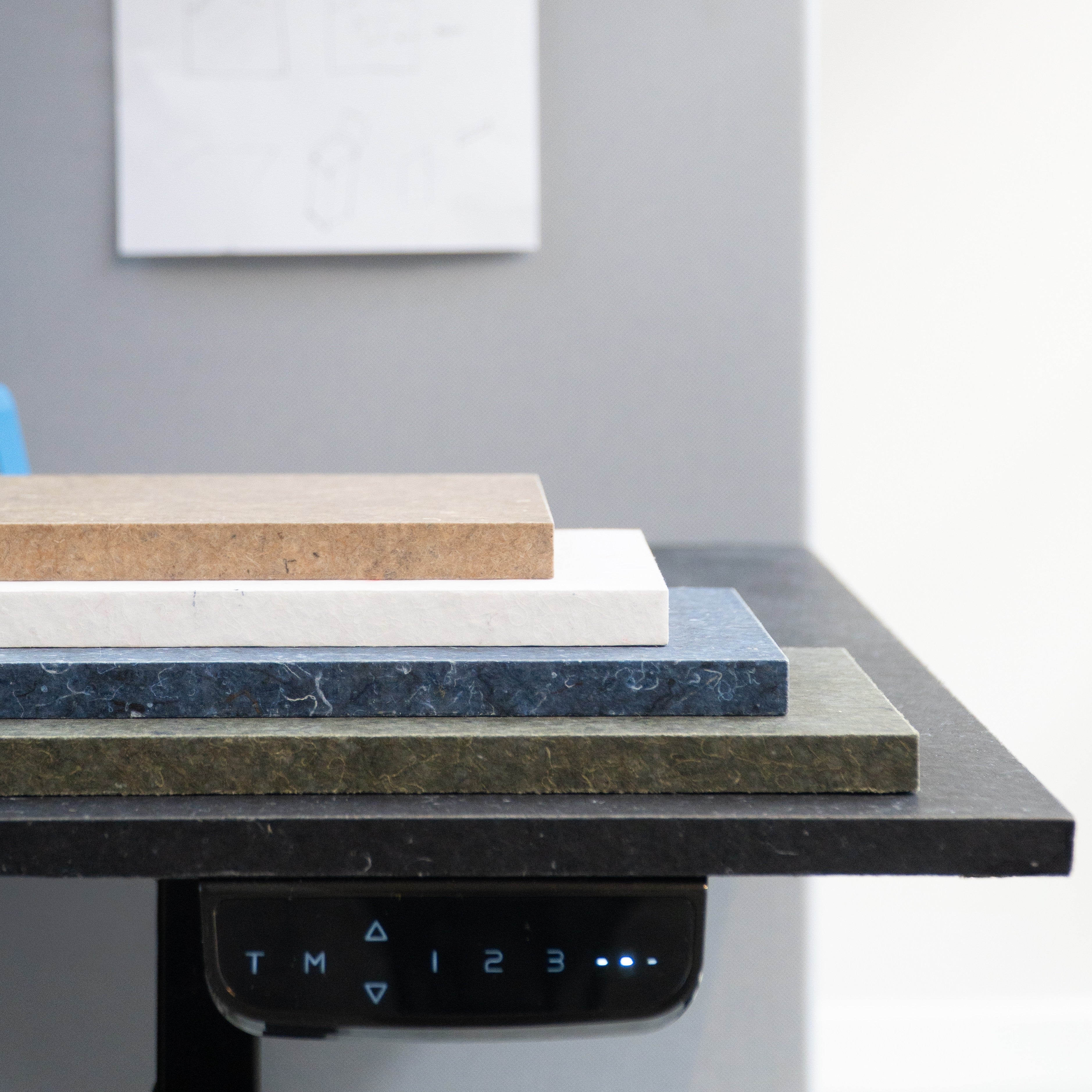
Seat & Back: Solid 3D formed Rezign seating, based on recycled textile or natural fibres and bioplastics.
Frame: Powdercoated steel
 Rezign Denim
 Rezign Army
 Rezign Flax
 Rezign Suits
 RAL 9005
 RAL 9002
 RAL 7044
 RAL 1019
 RAL 7009
 RAL 3009
 RAL 5008
 RAL 5002
 RAL 1021
Soft floors: plastic (standard)
Hard floors: felt (on request)
Weight: 5 kg
Height: Barstool: 110 cm, Counter: 77,5 cm
Width: 54 cm
6 weeks
The Rebel Stool is stackable up to 5 pieces.
The chair shells are made of recycled material. Different batches may have different outcomes in the colour blend.

Textile Waste Impact
1KG Textile
wasted
1KG Textile
processed into XY60 chair
Incineration of 1 kg of mixed cotton–polyester textile releases approximately 25–75 grams of non-CO₂ air pollutants, including carbon monoxide, nitrogen oxides, sulphur dioxide, volatile organic compounds, particulate matter, and trace toxic compounds. The associated CO₂ emissions depend on the fibre composition, ranging from approximately 1.63 kg CO₂ per kg textile for 100% cotton to 2.29 kg CO₂ per kg textile for 100% polyester.
End of life
Re-use, Re-pair, Re-cycle
For every piece of furniture we sell, we take our responsibility. We offer a repair service, can supply spare parts where neccesary and are happy to offer support with the re-use or re-cycle process. Any questions? Just reach out to our team!


Local production
Click a country to highlight and read its origin. Use the selector to jump.